Lumito’s technology addresses challenges in several application areas, which can be divided into three main groups:
Drug development
Academic research
Clinical diagnostics*
In these areas, existing methods for tissue analysis have gaps in relation to sensitivity and precise quantification, gaps that are bridged with the Lumito SCIZYS system. The SCIZYS system thus allows for a higher degree of objectivity in judgments and decision-making.
* Lumito’s platform is not approved for clinical use and assessment of patient results for diagnostic purposes is not an approved application.
Biomarker visualization alongside traditional IHC
Combined HER2 and E-cadherin visualization
Human breast cancer tissue was labelled for HER2 using the SCIZYS® reagent kit and stained for E-cadherin using chromogenic IHC. The combined workflow enabled spatial assessment of HER2 expression in relation to tissue morphology and cell-cell adhesion structures while maintaining assay sensitivity and limit of detection.
Top row showing IHC with only HER2 labelling (UCNP), second row combined IHC labelling with both E-cadherin (DAB) and HER2 (UCNP). Images presented with black background for clarity.
Enhanced detection of HER2‑low with Lumito SCIZYS
Lumito’s SCIZYS system introduces a new level of sensitivity in immunohistochemistry (IHC) through the use of upconverting nanoparticles (UCNPs). In a recent white paper we demonstrate how this technology enables clear and reliable detection of HER2‑low, a category of IHC where conventional methods often struggle.
Why accurate HER2‑low detection matters
HER2‑low has emerged as an important biomarker category in breast cancer research. Its correct identification influences both diagnostics and eligibility for targeted therapies. Traditional chromogenic and fluorescence‑based IHC can exhibit limitations such as autofluorescence, narrow dynamic range, and insufficient signal‑to‑noise ratio, which may lead to misclassification of low‑expressing samples.
The power of UCNP‑based immunohistochemistry
UCNPs provide a unique optical advantage. When excited with near‑infrared (NIR) light, UCNPs emit higher‑energy photons. This property results in autofluorescence‑free imaging, enabling the detection of weak biomarker signals that typically disappear in background noise when using other methods.
Key technological benefits highlighted in the white paper include:
Elimination of tissue autofluorescence through NIR excitation, providing cleaner and more interpretable images.
Wide dynamic range and high sensitivity, making it possible to distinguish levels of expression in HER2‑low samples.
Exceptional photostability allowing imaging under ambient light and maintaining constant emission over hundreds of scan cycles.
Non-toxic lables, compatible with autostainers, integrating naturally into existing IHC workflows.
These properties create a robust platform for biomarker quantification, even in challenging low‑expression contexts.
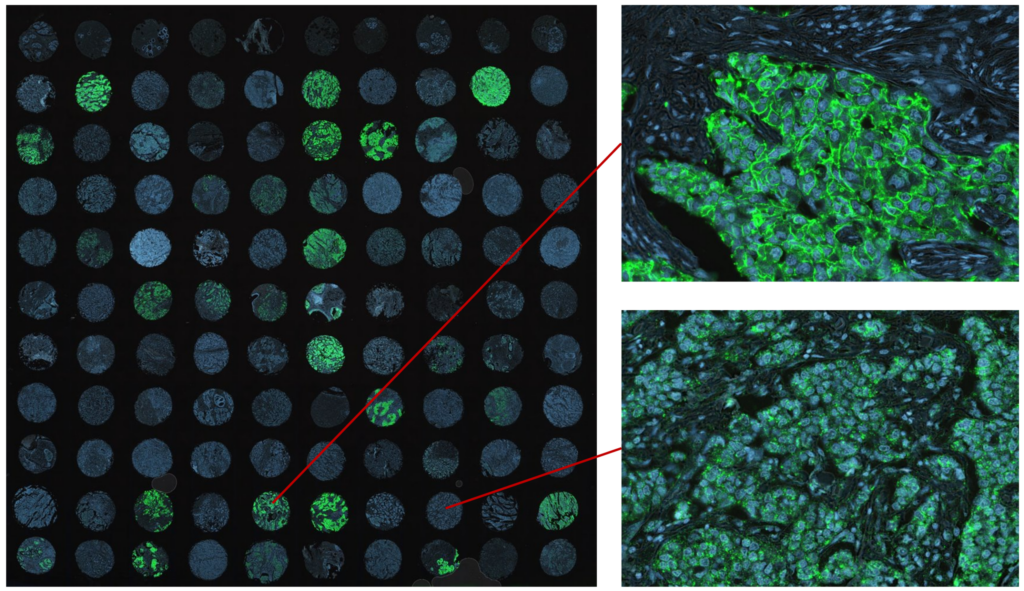
HER2 TMA with samples of HER2 0, 1+, 2+, 3+. Top right image show HER2 3+ and lower right imagesshows HER2 0 pellet. Right images shown with different intenstity settings.
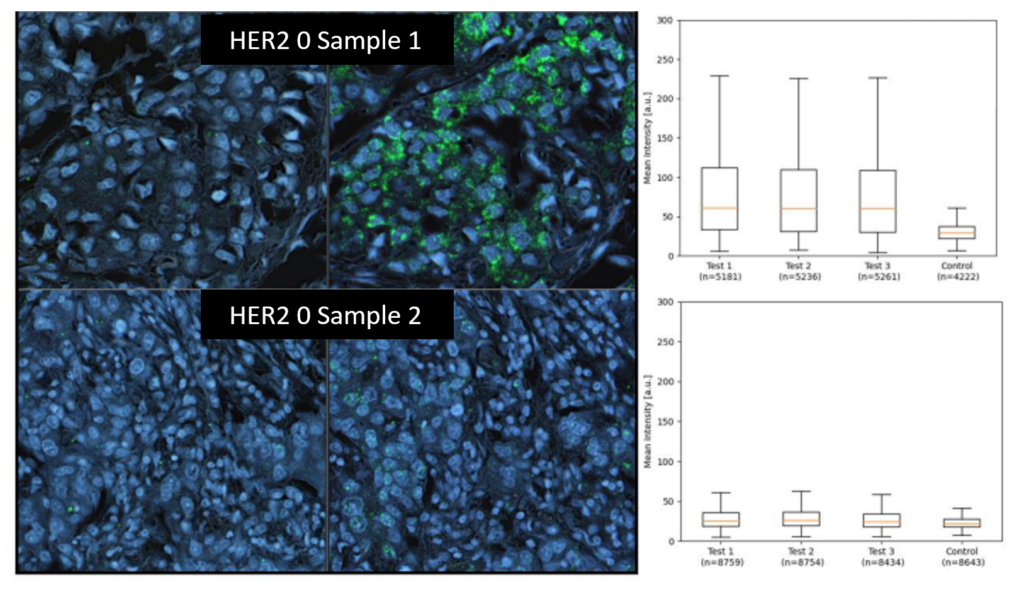
Quantification of HER2 in two different pellets, both classified as HER2 0. Left column is negative control. Sample 1 shows significantly higher expression of HER2 as compared to Sample 2.
Detection of rare cells with Lumito SCIZYS
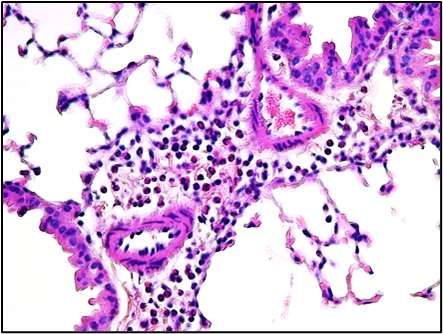
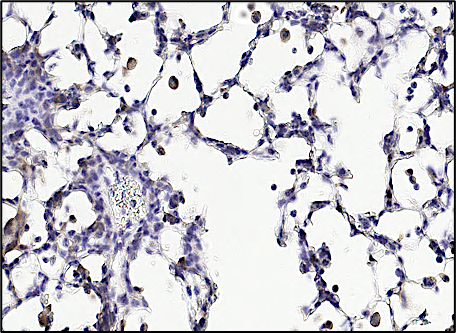
In an asthma model, H&E staining made eosinophils in lung tissue difficult to visualise, and even DAB staining gave weak contrast.
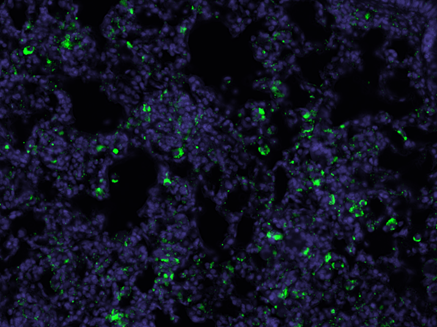
In collaboration with Truly Labs, we show that UCNP-based detection of eosinophils provides a bright and clear signal that reveals these rare cells.
This example shows how our UCNP technology can be used for dual biomarker/morphology studies and to improve rare cell detection where standard IHC methods struggle.
H&E labelled lung tissue
DAB labelled eosinphils in lung tissue
UCNP labelled eosinophils (green) in lung tissue
This work was performed in a collaboration with:
Direct vs. indirect labelling: Achieving quantitative precision with reduced assay complexity
This study, a collaborative effort between Lumito and Atlas Antibodies, demonstrates that a simplified direct immunolabelling workflow using Lumito’s SCIZYS system matches the quantitative performance of traditional indirect methods while significantly reducing assay complexity.
Workflow comparison: Direct vs. indirect
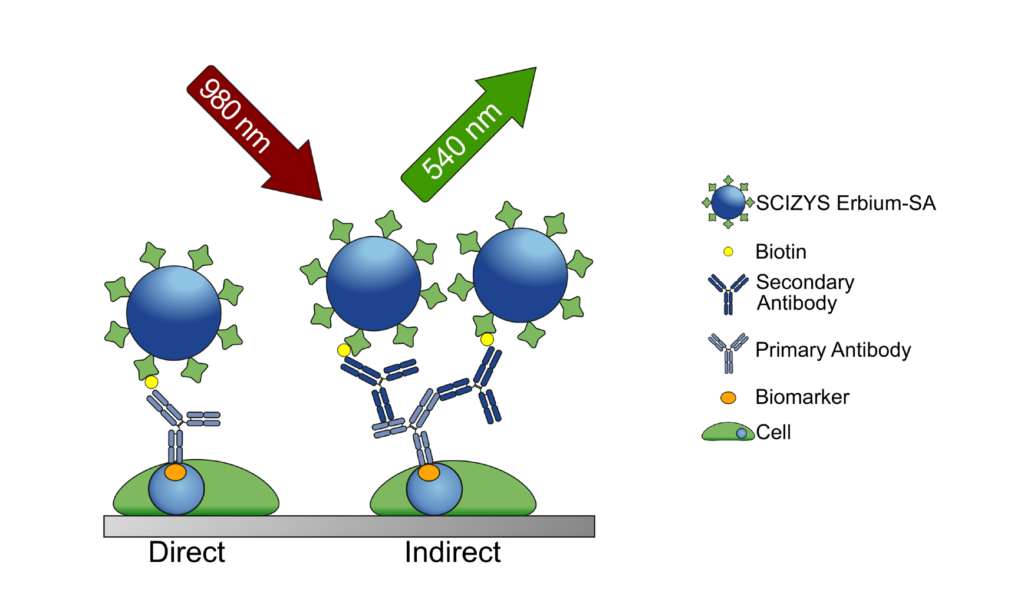
Traditional indirect immunohistochemistry (IHC) relies on a two-step process where a secondary antibody amplifies the signal but adds processing time and risks non-specific background staining.
In contrast, direct labelling eliminates the secondary antibody step by using a primary antibody directly conjugated to the detection tag. While concerns about reduced sensitivity have historically limited adoption of direct labelling, Lumito’s technology effectively overcomes this hurdle.
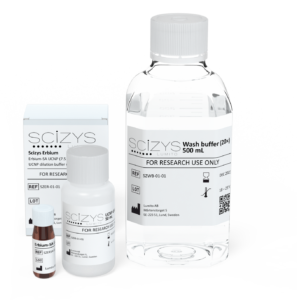
The cornerstone of this study is Lumito’s SCIZYS platform, consisting of the SCIZYS Erbium-SA reagent kit and the SCIZYS S1 whole-slide scanner.
By utilizing upconverting nanoparticles (UCNPs) excited in the near-infrared (NIR) region, the system completely eliminates tissue autofluorescence. This enables an exceptionally high signal-to-background ratio, allowing even the single-step direct method to achieve superb sensitivity.
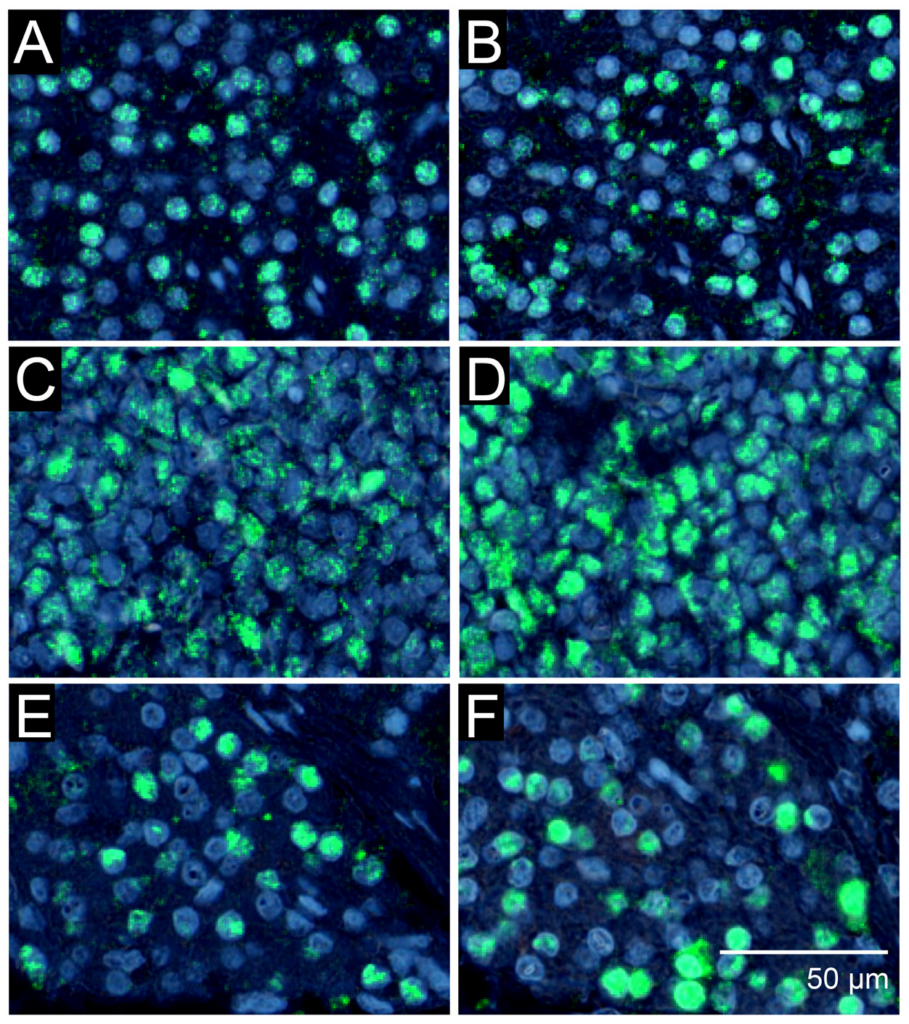
As shown in the middle figure to the right, the tissue staining patterns, such as PR in pancreatic islets (A, B), MSH2 in tonsil (C, D), and MSH6 in testis (E, F), are highly comparable between the two techniques. While the indirect method delivers higher raw signal intensity due to secondary antibody amplification, the direct method matches its spatial precision with lower non-specific background.
Proven quantitative equivalence
To confirm that the simplified direct workflow does not compromise data integrity, digital whole-slide images were automatically segmented and analyzed for number of positive cells.
A Bland-Altman analysis demonstrates excellent statistical agreement between the direct and indirect measurements across various tissue types, yielding a low average sigma of 10.4%. Furthermore, the Intraclass Correlation Coefficient (ICC = 0.89) confirms a strong, robust agreement between the two methods.
Conclusion
By using Lumito’s SCIZYS platform to eliminate autofluorescence, researchers can confidently adopt a faster, one-step direct immunolabelling approach without sacrificing quantitative reliability.
Direct vs. indirect labelling with SCIZYS Erbium-SA
Direct (left) and indirect (right) labelling of biomarkers in tissue sections.
This work was performed in a collaboration with:
An open immunohistochemistry system
The Lumito SCIZYS system is an open platform for immunohistochemistry (IHC). The SCIZYS UCNPs can be attached to any biotinylated molecule and the system is agnostic to tissue type, enabling a wide range of uses. We are co-developing application areas together with our customers and partners. Areas with significant interest and potential include:
Optimising cut points for patient stratification for the next generation of ADCs
Quantitative displacement experiments in development of ADCs
Measuring subtle changes in pre-clinical models for degenerative diseases where traditional IHC images appear saturated
Tissue Cross Reactivity studies
Replacing visual categorization with quantitative analysis during drug development
Algorithmic quantification of specific biomarkers, using morphology and biomarker expression from different channels in the same sample
A very sensitive and stable label complementing multiplexed immunofluorescence studies
Virtual annotations in development of immunohistochemistry AI applications
Project to show-case new applications of Lumito SCIZYS
Lumito is currently running a project to demonstrate applications of the SCIZYS technology with support from Region Skåne and EU. The projects aims at strengthening the Lumito presence at scientific congresses and conferences, but also to to create application notes to show-case the Lumito technology as a tool in R&D.
The project has a budget of 500 kSEK and is partially financed by the European Union by a contribution through Region Skåne of 250 kSEK.